
Learning is a skill. Here we will break down our best advice for how to get better outcomes from your learning efforts. It will involve effort, commitment and focus, but it will be worth it when you realise that you can achieve your full potential.
These skills will be useful for the rest of your life. You will continue to achieve your absolute best if you learn how to learn.

❶ Tip One: Put the Phone Away
Your mobile phone is not helping. The temptation to check another application, read that notification or change the song will never go away if the phone is within reach. Put the phone in a different room of the house, and spend some quality study time without the distractions.
The same goes for tablets or laptops. Sometimes these may be helpful for your revision, but once you have finished using them to look-up the information you wanted put them away. Use a textbook or printed worksheet, and work in silence for an hour without getting distracted. This will help your brain focus and think.

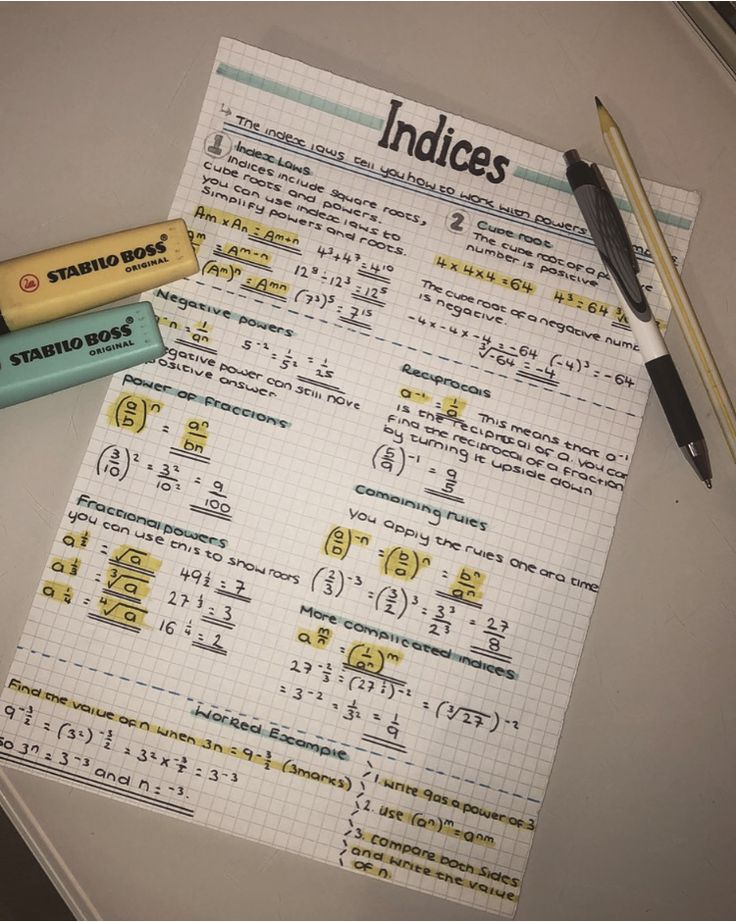
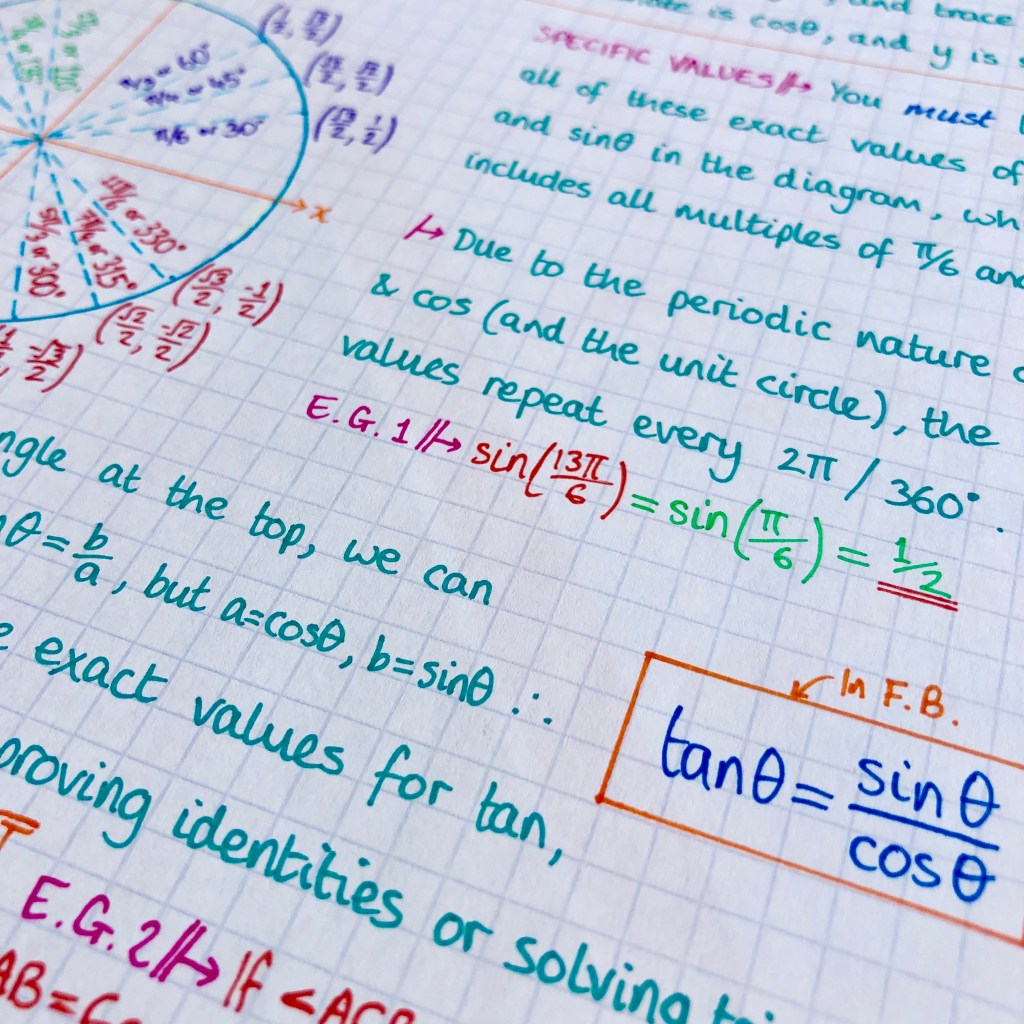
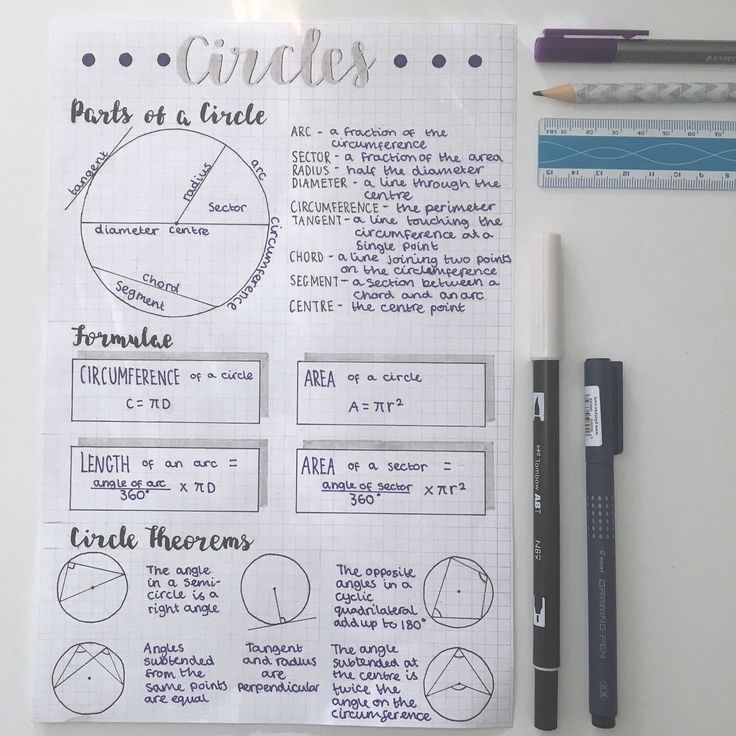
❷ Tip Two: Practice Making Accurate and Clear Notes
Your thoughts need to be organised. To pass your exams you will need to memorise a lot of information. This will be so much easier if the information is clearly presented in your notes in a way which makes personal sense to you. Furthermore, taking pride in your notes is satisfying, rewarding and ensures that you take it seriously.
Use coloured pens and highlighters, colour coded to link ideas together. Use rulers for straight lines or a compass for circular arcs. Take pride in your work. Remember you will continue to look at these notes for months or years to come. It you are proud of the poster you have created; you will pay closer attention to it in the future.
❸ Tip Three: Communicate
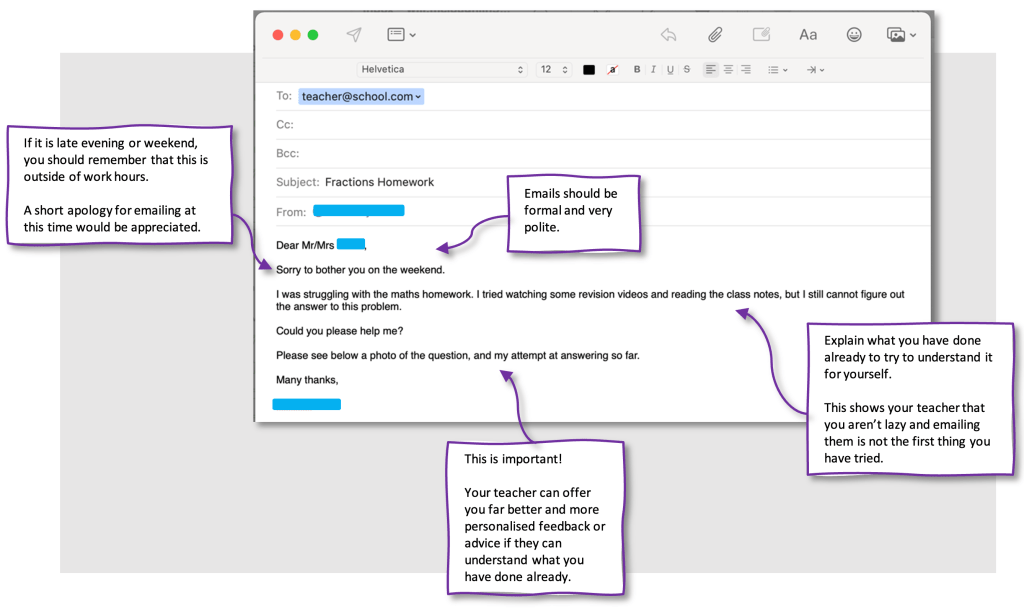
This is a big one. Communication helps in many ways. Communicate with your teacher to ask questions or ask for feedback on your work. Communicate with your friends to see if they understand the topics in the same way as you, or if they have figured out a new idea which will help. Communicate with your parents to share what you have learned today.
Communication can take many forms: emails to your teacher, Whatsapp Voicenotes to friends or family, knocking on your teachers door for support at lunchtime or even just talking about your studies over the dinner table with family. This doesn’t mean that you should do this while your studying, but you can communicate easily during study breaks.
When you communicate:
- Be clear – attach a photo of your work, or a screenshot of a specific question you don’t understand. Your teacher cannot respond to vague emails which don’t ask clear questions in context.
- Be polite – we should always be polite. A well worded email sets the conversation of to a good start. It also a lifelong skill to be able to communicate effectively to build productive relationships. Remember your ‘please’ and ‘thank you’.
- Don’t ask too much – your teachers are very busy people. Ask the precise question you would like more information on, and don’t ask too much else.
- Be responsive – send an email back when they reply thanking them for the information. Then act on it, show your teacher that you have done exactly what they asked. If they ask you to study one hour a night for 2 weeks, show them 2 weeks later how many notes you have made. They’ll love to see it!
❹ Tip Four: Reflect
I have written about reflection before, you can find a link to that article here. Reflection is the process of thinking about what you have achieved, done well, learned while also thinking about how you could have improved your skills or your approach to learning.
This is very helpful for many reasons. Reflection is motivating as it helps you to realise how far you have come and helps you to realise how your hard work pays off. Reflection also helps you to realise what study methods work particularly well for you. Most of all reflection helps you realise what your next step should be. Is there a topic which you are still struggling with? What have you not done to figure this out yet? Who can help?


❺ Tip Five: Be Patient
Learning is a long process which gradually builds up. There are no shortcuts, you must read, make notes, practice, correct, reflect, practice some more and repeat several times to fully understand the ideas and embed them in you long term memory.
The earlier you realise that this hard work is tough, but very rewarding, the better you will be.
❻ Tip Six: Start Now!
What are you waiting for? This article is over, it’s time to go study. Addvance Maths has some great free revision videos and resources for you, start watching them today. Good luck!

More articles and resources that you may find useful:
- Supporting Maths Education At Home
- Preparing for IB DP Maths
- Revision Video Highlights
- Year 11 Curriculum Guide

 Addvance Maths